 Massages
Myofascial massage: what fascia is and when it helps
If a regular massage relaxes you for the evening but by morning your shoulders are back where they were, the question may not be the muscles but the tissue around them. This article explains what fascia is, what a myofascial massage does, and when it is the right choice — and when it is not.
What fascia is
Fascia is a thin but strong sheath around every muscle. It connects muscles, joints and the other structures into one whole — like a web running through the entire body.
When it is elastic, you do not feel it. When it loses its elasticity — from sitting, from the same movement for years, from stress or load — it tightens. The body then starts to move with more effort, posture changes, and tension builds up in certain areas.
Why it hurts in one place when the cause is elsewhere
Because fascia is a connected web, tightness in one place pulls on another. A stiff neck may come from the shoulders and chest. A lower back that speaks up after an hour on a chair may come from the hips.
That is why a myofascial massage does not work only on the spot that hurts. It works slowly, along whole chains.
How it feels
More intense than a classic massage, and slower. Pressure is held rather than glided. At times it sits at the edge of pleasant.
That edge is agreed with you during the session and never crossed silently. If it gets too strong, you say so and the pressure eases. Pain is not a measure of results.
Who it is for
A body that feels tight, stiff or limited in movement. Chronic tension in the back, neck and shoulders. A lower back that will not release. Poor posture from a desk. A sedentary life — or the opposite, sports load.
If a regular massage feels pleasant but does not leave you moving more freely, that is the sign.
When it is not for you — at least not yet
If the pain is sharp, recent, or appeared after an injury, a diagnosis comes first and the massage after. The same applies if something goes numb or weak. We will wait for your doctor's answer without rushing you.
How many sessions
The honest answer is that it depends — on how long the body has been tight and what you do between sessions. The difference in movement is often felt after the first one, but a body that has tightened for years does not release in an hour.
Frequently asked questions
What is the difference from a classic massage?
A classic massage works mainly with the muscles and is often about relaxing. A myofascial massage works with the sheath around them — slower, deeper and along whole chains, with freer movement as the goal.
Does it hurt?
It can sit at the edge of pleasant, but it should never be unbearable. The pressure is adapted to you the whole time.
Is it suitable for people who train?
Yes — sports load is one of the most common reasons fascia tightens. If you have a recent injury, see a doctor first.
How long does it take?
With us the myofascial massage takes 90 minutes.
Where
The myofascial massage is done at our studio inside Hotel Forum, Sofia. If you are not sure it is for you, call and tell us what bothers you. English spoken.
Related massages
Myofascial ReleaseA deep therapy for a tight, stiff body — working the fascia for more mobility and lightness.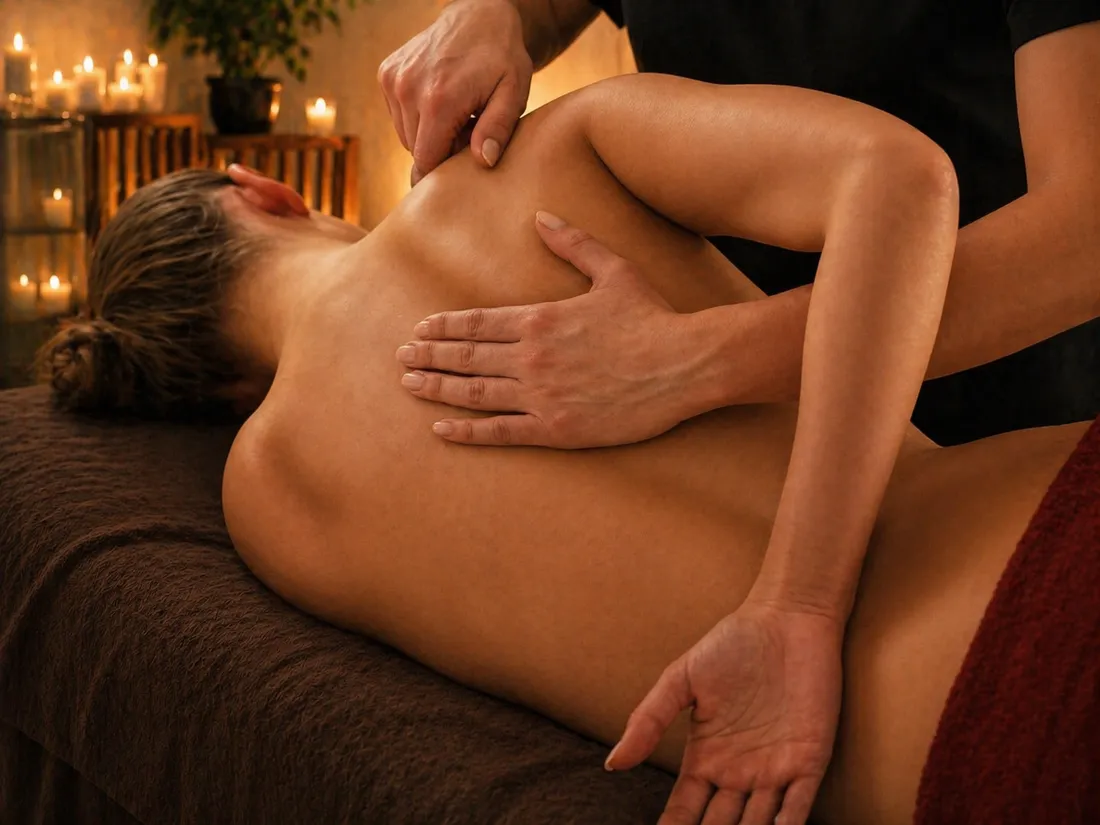 Flexibility & LightnessThrough stretches, passive mobilisation and rhythm, the massage restores the body's natural flexibility and lightness.
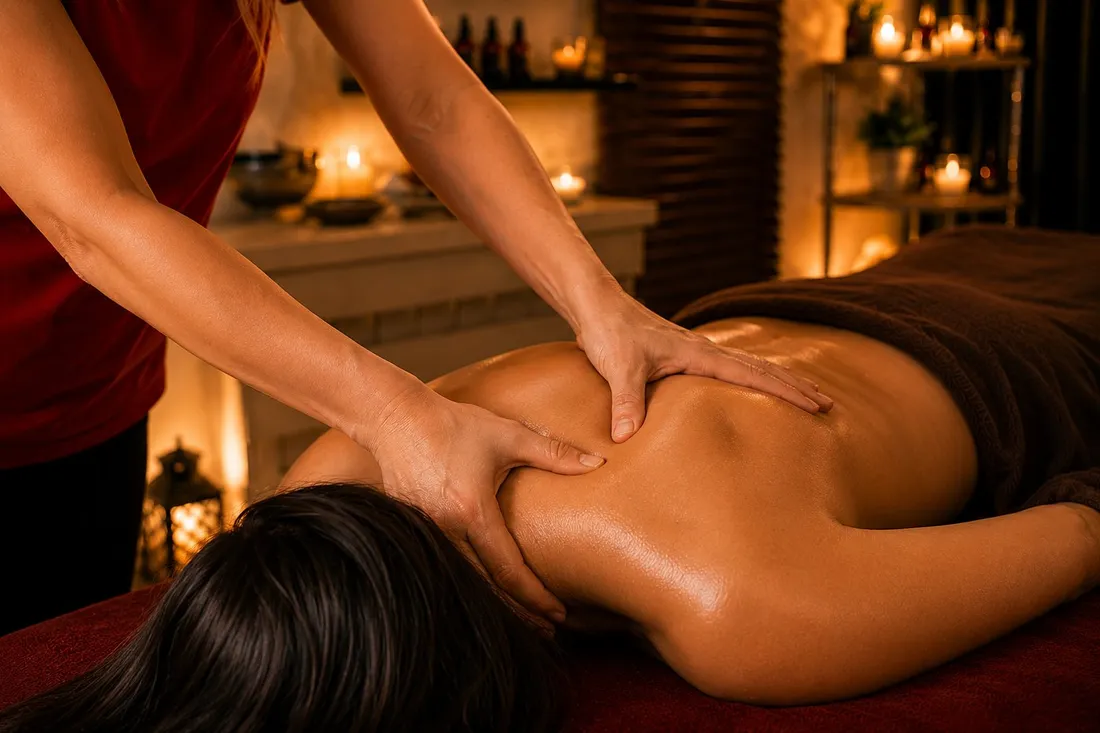 Mieli MassageFull recovery and harmonising of body and mind.
Ready for your moment of care?